Blackheath Station rubbish collection times and booking tips
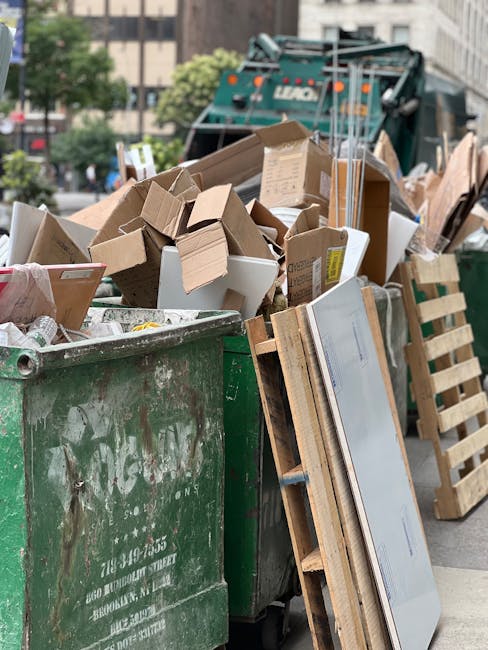
If you are trying to plan a clear-out around Blackheath Station rubbish collection times and booking tips, you are probably juggling the same awkward little details everyone else does: the train timetable, limited access, neighbours, parking, and the very real question of where on earth the rubbish is supposed to go. The good news is that with a bit of planning, waste collection near Blackheath Station can be smooth, punctual, and surprisingly painless. This guide walks you through how collection timing usually works, what affects booking, and how to avoid the common mistakes that cause delays.
Whether you are arranging a domestic clear-out, a builders' job, or a same-day collection, the goal is the same: get the waste removed without turning your street into a bottleneck. Let's make that easier.
Why Blackheath Station rubbish collection times and booking tips Matters
Blackheath Station sits in a busy part of southeast London, so timing matters more than many people expect. If you arrange a waste collection for the wrong window, you can run into traffic, blocked access, rail-station congestion, or awkward loading conditions. And if the collection is for a home, shop, office, or building site nearby, the last thing you want is a skip lorry or waste vehicle arriving when everyone is trying to leave for work.
That is why good booking habits matter as much as the collection itself. A collection that is booked too late, or with vague instructions, can quickly become a half-day headache. To be fair, waste is rarely glamorous, but getting it right saves money, time, and stress. It also helps avoid repeat visits, missed collections, and the classic problem of overfilling a skip the night before the driver is due.
For many local customers, the most useful approach is to think of rubbish removal as a small logistics exercise. Once you do that, the rest becomes simpler. You work backwards from the desired collection time, check access, estimate the load properly, and choose the right service. If you are comparing options, pages such as domestic skip hire, rubbish removal, and man and van can help you think through the best fit for the job.
Expert summary: near a transport hub like Blackheath Station, the best rubbish collection booking is not just the cheapest one. It is the one that fits the access, the timing, and the amount of waste with the least friction.
How Blackheath Station rubbish collection times and booking tips Works
In practical terms, rubbish collection near Blackheath Station usually works in one of three ways: a pre-booked collection slot, a same-day or urgent pickup, or a wait-and-load style visit where the vehicle arrives, waits while the waste is loaded, and leaves once the job is done. Each option has its own timing logic.
Pre-booked collections are the most predictable. You agree a date and approximate arrival window, and the crew arrives with the right vehicle. Same-day collections are useful when a job has run over, a tenant leaves unexpectedly, or a clear-out simply cannot wait. If speed matters, the service at same-day skip hire is worth considering, especially if the waste volume is too much for a van but too urgent to wait.
Wait-and-load is a bit different. It is often chosen where on-street parking is awkward or permits are undesirable. The team arrives, the waste is loaded directly, and the vehicle departs without the need for a skip sitting outside for days. If that sounds like your street, have a look at wait and load skip hire.
Timing depends on a few practical factors:
- distance and traffic around the station area
- whether the vehicle can stop safely and legally
- the size and type of waste load
- how long loading will take
- permit needs, if a skip is going on the public highway
- whether the waste includes restricted items
A good booking tip is to give as much detail as possible up front. Mention access constraints, stairways, narrow drives, rail-station nearby traffic, shared entrances, and whether the waste is loose, bagged, or already piled. It sounds basic, but it saves a lot of back-and-forth. Really, a clear description is half the job.
Key Benefits and Practical Advantages
Getting the timing and booking right offers more than convenience. It can improve safety, reduce costs, and prevent the kind of small delays that snowball into a frustrating day. If you have ever stood beside a front pile of rubbish wondering whether the collection truck can actually reach it, you already know the value of planning.
Here are the biggest practical benefits:
- Less disruption: a well-timed collection avoids peak commuting periods and helps keep pavements clear.
- Fewer missed visits: accurate information reduces the risk of the team arriving without the right access or equipment.
- Better cost control: choosing the right service first time is usually cheaper than rebooking or paying for an oversized solution.
- Improved safety: waste is removed sooner, which reduces trip hazards and clutter.
- Cleaner project flow: clear-outs, refurbishments, and office moves all run more smoothly when rubbish removal is built into the plan.
There is also the simple psychological benefit. A tidy site feels more manageable. You can see the progress. The room breathes again. That matters whether you are clearing a loft, a garden, or a building site near the station.
If your waste comes from a home project, house clearance, garage and loft clearance, and garden waste removal are useful related services to compare. For larger trade jobs, builders waste removal and construction waste disposal are often the more sensible route.
Who This Is For and When It Makes Sense
This topic is relevant to a lot more people than you might first think. It is not just for people doing a big clear-out. In and around Blackheath Station, good rubbish collection planning helps homeowners, landlords, tradespeople, office managers, and even small retail units that need quick, reliable waste removal.
It tends to make sense when:
- you are working to a move-out or handover deadline
- you have bulky waste that will not fit in household bins
- you need access planned around road traffic or parking limitations
- you want a collection before or after a delivery, renovation, or office relocation
- you are handling mixed waste and need the right disposal method
For example, a landlord clearing a flat after tenants leave might need a flexible arrival window rather than a rigid slot. A builder removing rubble from a terrace refurb near the station might care more about vehicle access and loading speed. A small office could be looking for discreet, pre-opening removal so staff do not arrive to find bags stacked outside the door. Different job, same need: tidy timing.
If the job is commercial, it may also be worth looking at commercial skip hire or office clearance, depending on the waste type and the amount involved.
Step-by-Step Guidance
Here is a simple way to plan rubbish collection near Blackheath Station without overcomplicating it.
- Identify the waste type. Is it general household rubbish, garden waste, builders' waste, white goods, or something sensitive like confidential paper shredding? The category affects the service you need.
- Estimate the volume. A few black bags, a corner of a room, a half-full garage, or a whole strip-out are very different jobs. If in doubt, overestimate slightly rather than risk underbooking.
- Check access. Measure door widths, note stairs, and think about where the vehicle can stop. Blackheath roads can feel tight when traffic is building up, especially later in the morning.
- Choose your service. Skip hire suits ongoing projects. Wait-and-load suits tighter access or quick turnaround. Grab hire can help when large volumes of loose waste are involved. You can compare options through skip hire and grab hire services.
- Check permit needs. If a skip is going on the public highway, a permit may be needed. That is one of those details people leave to the last minute, and then the timing gets messy.
- Book with enough lead time. If you need a specific morning slot, book earlier. If your project is flexible, you may have more choice and smoother pricing.
- Prepare the waste. Bag loose items, separate restricted materials, and keep pathways clear. A neat load is faster to collect. Simple as that.
- Confirm the booking details. Double-check the date, approximate arrival window, contact number, and access instructions the day before.
If you are weighing up collection methods, review the company's what can go in a skip guidance and the different vehicle-based options, especially if you are dealing with mixed waste or a slightly awkward site.
Expert Tips for Better Results
Small decisions make a big difference here. The most efficient collections are rarely the ones with the biggest truck or the cheapest headline price. They are the ones where the customer has thought through the practical bits.
Some tips that genuinely help:
- Book around the day's rhythm. If the area is busiest in the school run or commuter rush, ask about earlier or later collection windows.
- Keep access clear for the driver. A parked car in the wrong place can delay the whole job. One neighbour's van can change everything. Annoying, but true.
- Stack waste sensibly. Place heavier items at the bottom and avoid unstable piles. It makes loading quicker and safer.
- Separate forbidden items early. Hazardous or restricted materials should be identified before the day of collection, not discovered at the kerb.
- Use the right service for the space. If the street is tight, a wait-and-load or man-and-van style service may be easier than leaving a container outside.
- Ask about recycling. Responsible disposal matters. If you want a better understanding of where your waste goes, read up on recycling and sustainability.
A practical one: if you are clearing a loft or a house on a Friday afternoon, do the packing and sorting the day before. Friday afternoons have a habit of becoming longer than expected. Everyone knows it. The kettle starts boiling, the lift is slow, and suddenly a "quick job" has turned into a three-hour ordeal.
Another good tip is to choose the right vehicle size rather than guessing. The sizing and price guide at skip sizes and prices can help you think through capacity before you book.
Common Mistakes to Avoid
Most collection problems are avoidable. That is the frustrating part, really. They usually come from rushing the booking or assuming the driver will be able to solve access issues on arrival.
- Leaving it too late: same-day help is useful, but it should not be your default plan if timing is critical.
- Underestimating the load: a small pile often grows. It has a strange talent for it.
- Ignoring access constraints: low branches, narrow turns, loading restrictions, and blocked frontage all matter.
- Mixing restricted waste with general rubbish: this can slow collection and may require a separate disposal route.
- Not checking permit requirements: if you need a skip on the road, the permit issue should be handled early.
- Assuming all collection windows are exact: many services give approximate slots because traffic and route planning are real-world variables.
One of the most common local mistakes is forgetting about the station-side traffic pattern. Even if you know the area well, a busy morning can create delays that ripple through the whole route. Build a bit of slack into your plan. You will thank yourself later.
Tools, Resources and Recommendations
You do not need specialist software to arrange rubbish collection well, but a few practical tools and reference pages can make the process much easier.
Useful things to have ready:
- a rough list of waste types
- photos of the rubbish pile or access point
- approximate measurements for doors, drives, and loading spaces
- your preferred collection date and backup date
- the site contact name and phone number
From a service-planning point of view, these pages are especially useful:
- book online if you want a straightforward booking path
- pricing and quotes if you are comparing budget and capacity
- skip hire permits if a roadside placement is likely
- payment and security for reassurance before you confirm anything
- insurance and safety if you want to understand the company's approach to risk and protection
For specialist waste streams, it may be worth looking at fridge and appliance removal, mattress and sofa disposal, or confidential shredding rather than trying to bundle everything into one generic collection.
Law, Compliance, Standards, or Best Practice
Waste removal in the UK is not just about convenience. There are legal and practical responsibilities around how waste is stored, moved, and handed over. I will keep this plain-English, because that is usually more helpful than throwing technical wording at people.
In general, you should make sure your waste goes to a properly managed disposal route and that restricted items are separated correctly. If you are a business, you may have additional duties around record-keeping and duty of care. If you are a homeowner, the key best practice is still the same: use a reputable service, declare the waste honestly, and avoid mixing hazardous items with general rubbish.
Skip placement is another area where common sense and compliance meet. If a skip sits on a public road or pavement, permit rules may apply. The exact process depends on the location and the local authority requirements. Rather than guessing, check early and plan the collection timeline accordingly. That prevents those awkward last-minute changes that cost time and patience.
For safety, keep in mind the basics: no overloading, no unsafe stacking, and no placing dangerous materials in a container unless the service explicitly accepts them. If you are unsure, ask before booking. Truth be told, a five-minute question can save a very long phone call later.
If your job involves higher-risk waste or larger site work, pages like hazardous waste disposal, construction waste clearance, and site clearance are sensible reference points.
Options, Methods, or Comparison Table
Not every collection job around Blackheath Station needs the same solution. Here is a simple comparison to help you choose.
| Option | Best for | Strengths | Limitations |
|---|---|---|---|
| Skip hire | Ongoing projects, home clear-outs, building work | Convenient, flexible loading, good for larger volumes | May need a permit if placed on the road |
| Wait-and-load | Tight streets, short jobs, no space for a skip | No long roadside placement, quick turnaround | Requires waste to be ready when the vehicle arrives |
| Man and van | Bulky items, mixed household rubbish, lighter loads | Simple, fast, good for awkward access | May be less suitable for heavy construction waste |
| Grab hire | Large loose waste, soil, rubble, site work | Efficient for bulkier material, useful where access is tricky | Needs enough space for the vehicle and operating room |
There is no one perfect answer. A flat clearance in a tight mews by the station might suit man and van. A renovation with plasterboard, timber, and rubble may be better served by a builders' skip. A front garden full of hedge cuttings and soil often leans toward grab hire or garden waste removal. Different job, different tool.
For people trying to decide between options, builders skip hire and enclosed and lockable skip hire can also be worth comparing if security or site conditions matter.
Case Study or Real-World Example
Here is a realistic example from the kind of work that comes up near busy transport areas like Blackheath Station. A couple were emptying a ground-floor flat before a move. They had broken furniture, old bags of mixed rubbish, some boxed kitchen items, and a few awkward bits that were too bulky for ordinary bin collections. Their first instinct was to book the quickest option possible.
Instead, they paused and checked access first. The street was narrow in the morning, and parking was limited because of commuters. A roadside skip would have been awkward, maybe even impossible without added delay. After a quick review, they chose a collection method that suited the space better and booked an early slot before the street got busy.
The difference was noticeable. The waste was stacked neatly the night before, the collection happened before the main morning rush, and the flat was clear by lunchtime. No drama. No shuffling boxes back and forth. No sitting around wondering whether the driver would be able to stop.
That sort of outcome is not unusual. In our experience, the jobs that feel the calmest on the day are the ones where the customer has thought through access, time, and waste type in advance. It is a small bit of preparation, but it changes the whole mood of the day.
Practical Checklist
Use this checklist before you confirm a collection near Blackheath Station:
- Know what type of waste you have.
- Estimate how much there is, and be slightly realistic about it.
- Take photos if the load is awkward or mixed.
- Check whether access is wide enough for the vehicle or loading team.
- Confirm where the vehicle can stop safely.
- Decide whether you need skip hire, wait-and-load, grab hire, or man and van.
- Ask whether a permit might be needed for roadside placement.
- Separate restricted or hazardous items.
- Book early if timing is tight.
- Keep your phone nearby on the collection day in case the driver needs clarification.
If you want a broader introduction to the service options available, the pages on skip hire and rubbish removal are a practical place to start.
Conclusion
Planning Blackheath Station rubbish collection times and booking tips well is mostly about common sense, but common sense works best when it is written down and followed through. Choose the right service, give accurate access details, prepare the waste, and book with the local traffic picture in mind. That is really the whole game.
Once you do that, the collection day stops feeling like a gamble. It becomes just another job ticked off properly. And honestly, there is something satisfying about seeing a space cleared out, floor visible again, air moving again, without a mess hanging around for days.
Get a free quote today and see how much you can save.
If you are still weighing up the best option, a quick conversation and a clear description of the job can make all the difference. A well-timed collection near Blackheath Station is never just about taking rubbish away; it is about making space for what comes next.
Frequently Asked Questions
What are the best rubbish collection times near Blackheath Station?
The best time is usually an early slot or a window that avoids commuter peaks, school traffic, and local parking pressure. If your street is tight, earlier is often better.
How far in advance should I book a rubbish collection?
If your timing matters, book as early as you can. Same-day options can help in a pinch, but planned bookings usually give you better choice and less stress.
Can I book a same-day collection near Blackheath Station?
Yes, in many cases. Same-day availability depends on the size of the job, access, and how busy the route is that day. It is useful for urgent clear-outs or last-minute waste.
Do I need a permit for a skip?
If the skip is placed on a public road or pavement, a permit may be needed. If it is on private land, the need is less likely, but it still depends on access and placement.
What is the difference between skip hire and wait-and-load?
Skip hire suits longer jobs where you want a container on site. Wait-and-load is better when space is limited or you want the waste removed quickly without leaving a skip outside.
Is man and van suitable for bulky items?
Yes, especially for furniture, bagged rubbish, or mixed household items. It is often a sensible choice for smaller loads or awkward access near the station.
What should I do if my waste includes hazardous items?
Do not mix hazardous items with general rubbish. Check the service provider's guidance first and use a suitable disposal route for anything restricted or risky.
How do I estimate the right service size?
Use photos, rough measurements, and a simple list of items. If you are torn between two sizes, it is usually safer to think a little bigger than to underbook.
Can rubbish collection be arranged around office or shop opening hours?
Yes. That is often a smart move near busy transport areas, because early or off-peak collections reduce disruption for staff, customers, and neighbouring properties.
What if access near my property is narrow or awkward?
Tell the provider before booking. Narrow roads, tight turns, and limited stopping space can change the best collection method, and it is better to plan for that early.
Where can I check what can go in a skip?
Use the service guidance on waste acceptance before booking. It helps you avoid the common mistake of mixing items that need separate handling.
What is the most practical option for a quick flat clearance?
That depends on access and volume. For many flat clearances, wait-and-load or man and van is simpler than leaving a skip outside, especially where parking is limited.
Sometimes the best collection is the one you barely have to think about. That is the aim here, really.